


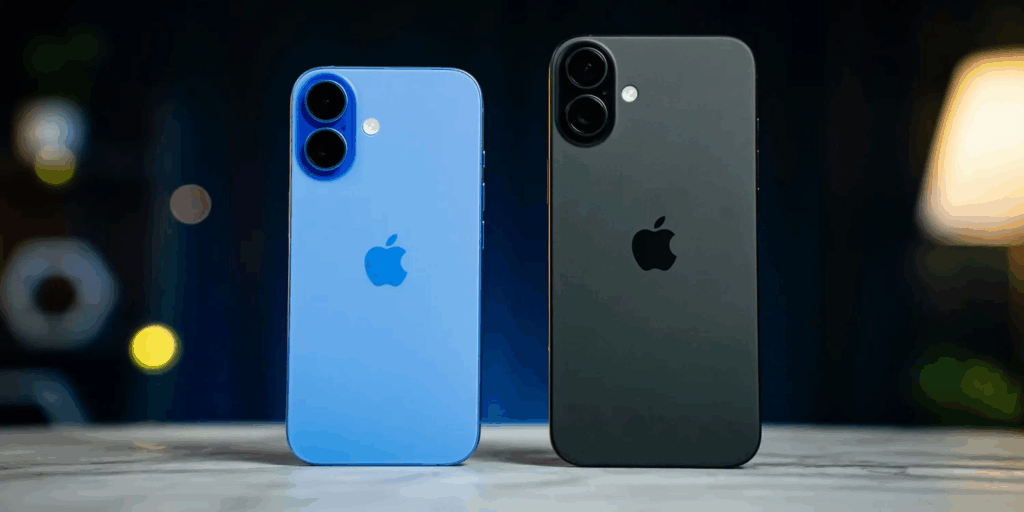
In a recent statement, Apple Inc. confirmed that the International Trade Commission (ITC) ban on BOE Technology Group displays will not impact iPhone production, sales, or consumer availability. The ruling, which targeted certain BOE display panels over intellectual property and patent disputes, initially raised concerns in the tech industry about potential disruptions in Apple’s global supply chain.
However, Apple reassured customers and investors that the ban will not affect current or future iPhone shipments, citing its diversified supplier strategy and long-term contracts with multiple display manufacturers.
📉 What Is the ITC Ban on BOE Displays?
The U.S. International Trade Commission (ITC) issued a decision restricting imports of specific OLED displays made by BOE Technology, one of China’s leading display manufacturers. The ban stems from allegations of patent infringement related to display technologies used in high-end smartphones.
While BOE has been a growing partner in Apple’s supply chain, especially for lower-cost iPhone models, the company has faced multiple lawsuits over intellectual property rights from competitors like Samsung Display.
🍏 Apple’s Official Response
Apple emphasized that the ITC ruling has no material effect on iPhone availability, pointing out three key reasons:
- Diversified Supply Chain – Apple sources OLED panels from multiple suppliers, including Samsung Display and LG Display, ensuring no single point of failure.
- Strategic Inventory Management – Apple maintains a strong supply and component stockpile, reducing dependency on a single vendor.
- Long-Term Partnerships – Core iPhone models continue to use panels supplied by Samsung and LG, which are unaffected by the ITC ruling.
According to an Apple spokesperson:
“The ITC ruling against BOE does not impact iPhone production or availability. Apple customers will continue to enjoy uninterrupted access to all iPhone models globally.”
🔎 Why It Matters for Investors and Consumers
- For investors: The ruling highlights supply chain resilience and Apple’s ability to mitigate risks in international trade disputes. This strengthens confidence in Apple’s stock (AAPL) and long-term growth.
- For consumers: There will be no delays or shortages in iPhone production, meaning buyers can expect normal availability during major launches such as the iPhone 16 Pro Max and upcoming iPhone SE refresh.
- For competitors: Samsung may benefit indirectly from reduced BOE market share, further solidifying its role as a dominant OLED supplier.
🌍 Broader Industry Implications
The ITC’s ruling underscores the geopolitical tensions in tech manufacturing, particularly between U.S. regulators and Chinese suppliers. For BOE, this ban is a setback in its attempt to become a leading display supplier for premium smartphones.
Meanwhile, Apple’s swift reassurance demonstrates how supply chain diversification protects it from shocks, setting a benchmark for risk management in global technology businesses.
