


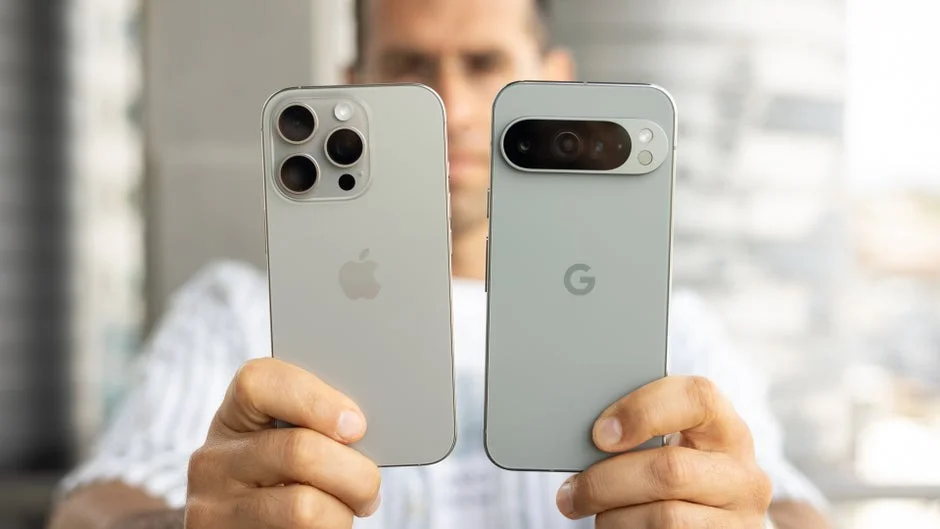
When it comes to the Apple ecosystem vs Google ecosystem, tech enthusiasts and everyday users often find themselves on opposite sides of the fence. Apple’s “walled garden” and Google’s “open space” approach represent two very different visions of technology — each with clear advantages and frustrating drawbacks.
In 2025, the debate is more relevant than ever. If you’re wondering which ecosystem is right for you — or if you should even stick to one at all — here’s a deep dive into what Apple gets wrong, what Google gets right, and where both could improve.
Apple’s Walled Garden: Polished, Powerful, but Restrictive
Apple has built one of the most integrated technology ecosystems in the world. iPhone, Mac, Apple Watch, iPad, AirPods — everything is designed to work seamlessly together. The benefits are obvious: flawless features like AirDrop, Handoff, Universal Clipboard, and Continuity Camera make multitasking effortless.
However, Apple’s closed ecosystem comes with significant trade-offs:
- Device Lock-In: You can’t use an Apple Watch without an iPhone.
- Limited Cross-Platform Support: AirDrop, iMessage, and FaceTime are mostly useless if your friends use Android.
- Proprietary Accessories: From Lightning cables (until recently) to MFi-certified accessories, Apple controls the hardware environment.
For those deeply embedded in Apple’s world, the experience feels magical. But for anyone who wants to mix and match devices, the walls of Apple’s garden can quickly feel like barriers.
Google’s Open Space: Flexible, Cross-Platform, and Everywhere
In contrast, Google’s ecosystem is designed to follow you, no matter what device you’re using. Google Maps, Gmail, YouTube, Google Photos, Google Drive, and Chrome are platform-independent tools that work across iPhone, Android, Windows, and macOS.
Key advantages of Google’s open ecosystem:
- Device Agnostic: Use Pixel Buds on a Samsung phone, a Pixel Watch with any Android, or Google Drive on an iPhone.
- Cross-Brand Compatibility: Quick Share works across Android devices, Chromebooks, and even Windows PCs.
- Cloud-Centric Design: Your calendar, files, and photos sync seamlessly, making device changes painless.
When Google makes hardware — like the Pixel 10, Pixel Watch 4, and Pixel Tablet — it’s not to trap you, but to showcase the best version of its software.
The Strengths and Weaknesses of Openness
Google’s open technology ecosystem is ideal for mixed-device households and people who value flexibility. You can start on a Samsung Galaxy, switch to a Pixel, and still keep all your content without hassle.
However, openness comes at a cost:
- Inconsistent Reliability: Google has a history of killing off popular products (RIP Google Reader, Allo, and Hangouts).
- Data Privacy Trade-Offs: Google’s business model is built on collecting user data to fuel its ad network.
- Less Polished Integration: While powerful, Google’s cross-platform tools can sometimes feel less refined than Apple’s tightly controlled software.
Privacy vs Convenience: The Core Trade-Off
The Apple vs Google ecosystem choice often boils down to this:
- Apple = Privacy & Stability → More control over data, but fewer cross-platform freedoms.
- Google = Flexibility & Reach → Works almost anywhere, but powered by data collection.
Apple’s on-device processing and minimal tracking attract privacy-focused users. Google’s cloud-first approach attracts those who prioritize convenience and access.
Why Google’s Model Scales Better Globally
While Apple dominates in markets like the US and Japan, Android — powered by Google’s services — rules globally. Google’s inclusive approach reaches billions who may never buy an iPhone but still use Gmail, YouTube, and Google Maps daily.
For Google, you don’t need to buy a Pixel to be part of its ecosystem. This broader reach translates to a bigger, more diverse user base and a more adaptable technology strategy.
Final Verdict: The Future of Tech Ecosystems
In 2025, the better choice depends on your priorities:
- If you want polished integration, unmatched stability, and strong privacy, Apple’s ecosystem still leads.
- If you value device freedom, platform flexibility, and global reach, Google’s ecosystem is the smarter bet.
The real question is not “Which is better?” but “Which works better for you?”
Whether you prefer the beauty of Apple’s walled garden or the freedom of Google’s open space, the best tech ecosystem is the one that adapts to your life — not the other way around.
